
Brake Repair in Aurora, CO
Backed by our 3-year/33,000-mile warranty
A soft pedal, a squeal or a pull to one side is a good reason to book brake repair. At Zoom Automotive & Diesel Repair we start by listening to how your vehicle stops, and then we show you what is happening. We work on cars, SUVs, pickups and diesel trucks from across Aurora at our eight-bay shop on E Girard Ave. Every job begins with a clear estimate and is backed by our 3-year/33,000-mile warranty.
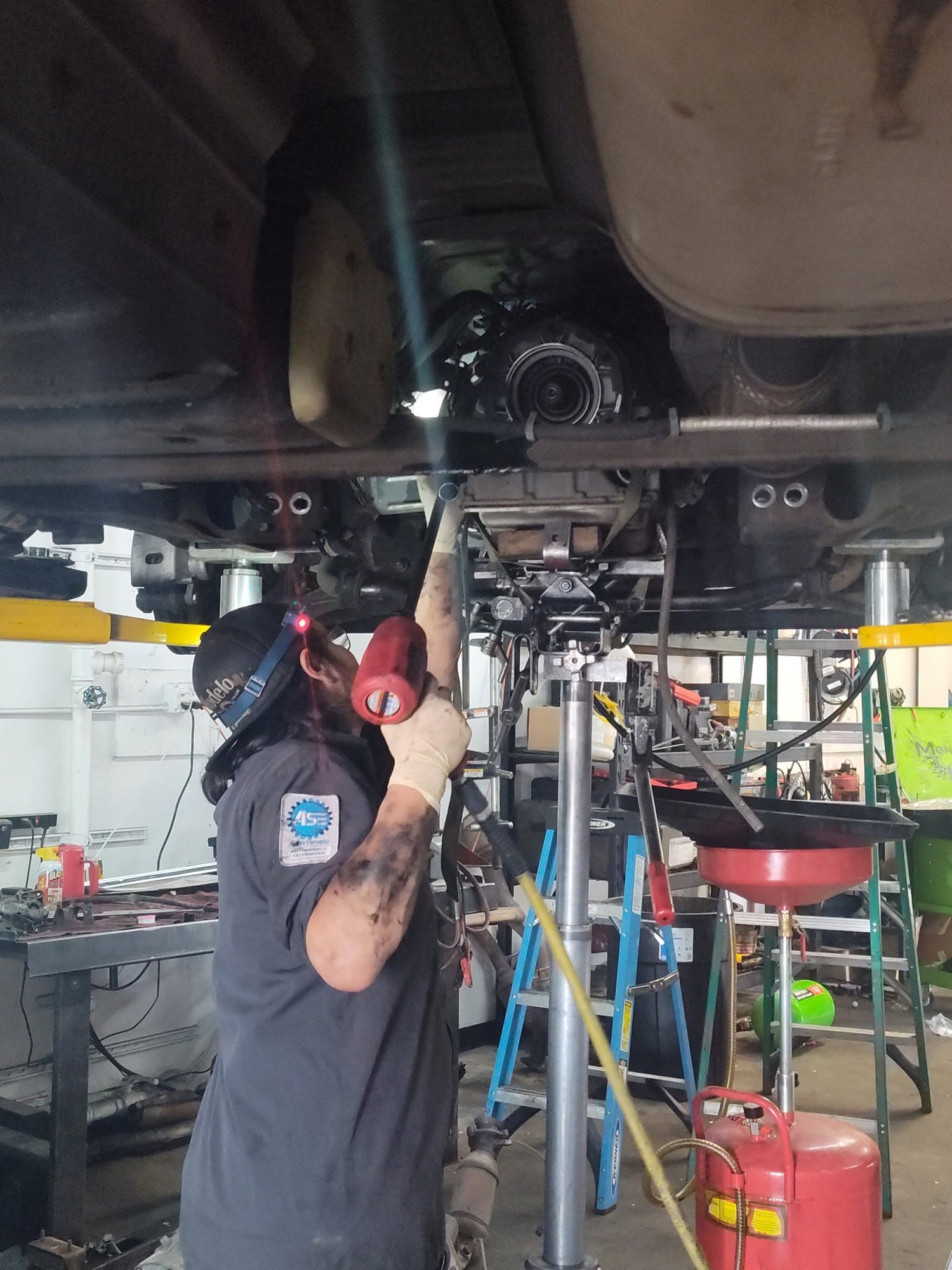
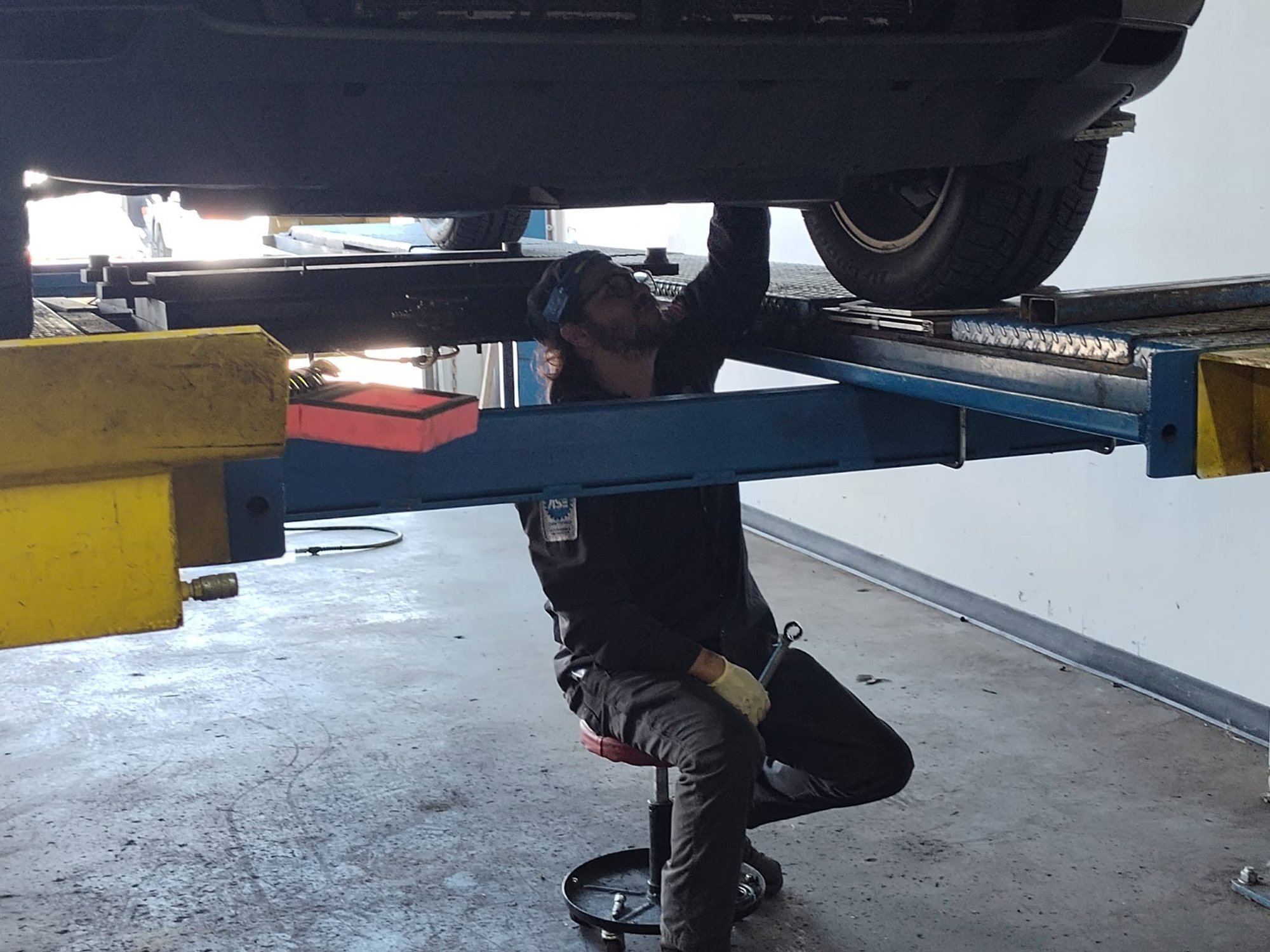
How do you know it is time for brake repair?
You need brake repair when something about the way your vehicle stops has changed. Brake parts wear slowly and then fail faster, so any of the signs below deserves a prompt look, even if the brakes still seem to work. Here are the signs we hear about most.
- The pedal feels soft, spongy or lower than it used to.
- The vehicle pulls to one side when you brake.
- You hear squealing or grinding.
- A dash light comes on.
- A stop takes longer than it used to.
Many drivers wait because the brakes still work. But pads can wear thin with little warning, and metal on metal can chew up a rotor that was fine a month earlier. Catching it early keeps brake repair simple.
A good brake repair also protects the parts around it. Worn pads that scrape the rotor can overheat the rotor and score the metal, and each extra part adds to the job. Early brake repair usually means fewer parts and a shorter visit.
Expert tip
A high squeal while you drive that fades when you press the pedal is often the wear indicator on the pad. It is asking for a visit soon.
Our brake repair starts with a digital vehicle inspection and photos
A digital vehicle inspection of your brakes means the technician pulls the wheels and measures pad thickness and rotor wear. The calipers and brake hoses get checked, and each part gets a photo. You see what we see, with notes that explain it, before you approve any brake repair.
A pad with plenty of life looks thick and even in the photo. A worn one shows almost no friction material. A rotor may show deep grooves or a rust lip at the edge. A caliper with a sticking slide pin shows uneven pad wear, and a damp hose or fitting points to a leak.
After the photos, Rachel explains what is urgent and what can wait. A pad with some life left can often last until your next oil change, and we say so. Honest brake repair means telling you when a job can wait. When a part must be replaced, you see the clear estimate first.
Pads, rotors, calipers and fluid each do a different job
Your brakes work as a system, and every part has its own job. Pads and rotors create the friction that stops you, calipers squeeze the pads in place, and fluid carries your foot’s pressure to each wheel. When one part fails, the others work harder, so we check the whole system.
Pads press against the rotors to create the friction that slows you down. Ceramic pads run quiet and clean, while metallic-blend pads handle heat and hard use well. We match the pad to your vehicle and to how you drive it.
Rotors carry away the heat that braking creates. Deep grooves or a rust lip at the edge show up clearly in our inspection photos.
Calipers squeeze the pads against the rotors. A sticking slide pin makes one pad wear faster than the other.
Fluid carries your foot's pressure to each wheel. It absorbs moisture over time, which lowers its boiling point and can make the pedal feel soft on a long downhill. Fresh fluid also protects the calipers and ABS parts from rust inside.
Expert tip
Have your brake fluid tested every couple of years, even if you do not drive much. It absorbs moisture whether or not the vehicle moves.
What do squeals, grinding and a soft pedal mean?
Brakes give warnings before they fail, and each sound or feeling points to a different problem. We road test your vehicle first so we feel it the way you do, and then we inspect the parts behind the symptom. Here is what we often find behind each one.
A squeal usually means a pad is getting low or has glazed over.
Grinding means the pad material is gone and metal is touching the rotor.
A soft pedal points to air or a leak in the lines.
A pulsing pedal often comes from rotors that wore unevenly.
The anti-lock system found a fault, often a wheel speed sensor that is dirty or failing. Your regular brakes still work, but the anti-lock feature may not step in on ice.
A shake in the steering wheel at highway speed usually points to uneven rotors or a worn suspension part.
We scan the system, test the sensor and tell you what we find.
Colorado hills and mountain trips ask more of your stopping power
Long downhill runs on I-70 turn motion into heat, and brakes take most of it. A vehicle that handles town driving just fine can struggle after twenty minutes of mountain downgrades. Fresh pads, solid rotors and clean fluid give you the margin you want when the road drops away.
Towing a camper adds more weight to stop. Before a big trip, we recommend a brake check so the whole system is ready.
Winter road treatment can speed up rust on rotors and calipers. A caliper that sticks wears one pad faster than the other, and you may notice a pull or a burning smell after a drive.
Expert tip
On long downgrades, shift to a lower gear and let the engine slow the vehicle. Short, firm presses on the pedal keep the brakes cooler than one long drag.
Does brake repair on a pickup or diesel truck take extra care?
A pickup or diesel truck weighs far more than a sedan, so it uses larger rotors, bigger calipers and thicker pads. Our technicians use the right tools and torque specs for each one. Diesel engines add weight over the front axle, so those front brakes wear faster than many owners expect.
Larger brakes also mean more rotor mass and more fluid, so a proper brake job on a truck takes extra care when the new pads are bedded in.
If you haul loads or pull a trailer often, tell us. We can suggest pads that match your use.
After new pads go on, avoid hard stops for the first couple hundred miles, or follow the pad maker’s directions. Gentle driving lets the pads bed in evenly.
A wheel alignment or a look at your tires keeps the whole stopping system working together, and our suspension and steering work handles worn parts that make brakes shudder.
Can I drop off my vehicle and still get to work?
Yes. Use the after-hours key drop box next to our front door, or drop off in the morning and ask about our Uber ride service. Rachel will tell you how long your brake job should take when you schedule, so you can plan your day.
After the job we road test your vehicle and torque the wheels to spec, so you drive away with a firm pedal.
More auto repair services
The oil and filter your engine calls for, plus a careful look while it is on the lift.
Mounting, balancing, rotation, seasonal swaps, flat repair and pressure sensors.
We measure the angles of each wheel and adjust what can be adjusted.
Why drivers choose Zoom
A family shop with the details done right
Every repair comes with a clear estimate first, photos of what we find and a warranty that covers the work for 3 years or 33,000 miles.
Schedule your brake repair at our E Girard Ave shop
For honest brake repair, visit Zoom Automotive & Diesel Repair at 18385 E Girard Ave Suite A, Aurora, CO 80013. We are open 8:00 AM to 5:30 PM, Monday through Friday. Call (303) 736-8889 to schedule your appointment, or contact us and tell us what you are hearing.
A bigger brake job can be spread out with financing, and our full list of car and truck repairs covers whatever else your vehicle needs.