
A car heater blowing cold air is easy to ignore in September and miserable by November. Around Aurora, the first frosty morning tends to show up before anyone has tried the heat. At Zoom Automotive & Diesel Repair, the service desk hears about this problem often, so here is the short version of what to check and when to stop driving.
Why is my car heater blowing cold air?
A car heater blowing cold air usually means the heater is not getting enough hot coolant. The usual causes are low coolant, air trapped in the cooling system, a thermostat stuck open or a clogged heater core. A blend door stuck on the cold side can do it too. Each cause leaves its own clues.
Your heater borrows heat from the engine. Coolant picks up heat as it runs through the engine, then flows through a small radiator behind the dash called the heater core. The blower pushes cabin air across that core, and the warm air comes out of your vents. If anything interrupts that loop, you get a car heater blowing cold air instead.
Low coolant is the first thing to check
Low coolant is the most common reason for a car heater blowing cold air. With too little coolant, the heater core sits dry, so the vents blow cool air even when the engine is hot. Coolant does not burn off like fuel, so a low level usually means a leak somewhere.
In our shop, we check the coolant level and the engine temperature before anything else. Signs of a leak include damp hoses, crusty residue near a hose clamp or a sweet-smelling puddle under the car. The hood is already up during an oil change, so that visit is a handy time to have someone look at the coolant too.
What can I safely check myself when the heater blows cold?
Start with the engine off and fully cool. Never open the radiator cap or reservoir cap on a warm engine, because hot coolant sprays out under pressure and can burn you badly. Work through these steps in order and you will know more before you call anyone.
- Check the level: Look at the coolant reservoir and see whether the level sits between the minimum and maximum marks.
- Watch the gauge: Start the car and watch the temperature gauge as it warms up.
- Turn the dial: Turn the temperature dial from cold to hot and listen. A gurgling sound behind the dash often means air in the cooling system.
- Compare the clues: If the gauge climbs normally but you still have a car heater blowing cold air, a blend door or heater core is more likely than the coolant level.
A thermostat stuck open keeps your car heater blowing cold air
The thermostat holds coolant in the engine until it warms up. If it sticks open, coolant keeps flowing, the engine never reaches full temperature and the heater never gets hot. A gauge that sits lower than usual, or heat that is weak on the highway but better at a stoplight, points toward the thermostat.
Diesel pickups warm up slowly in the cold, so a Ram Cummins, GM Duramax or Ford Power Stroke may take a few minutes before the vents turn warm. That is normal. Heat that never arrives, even after a long drive, deserves a closer look. A Subaru or Toyota daily driver should have steady heat within several minutes.
Expert tip: Write down the outside temperature, how long the engine ran and where the temperature gauge sat. Those three notes help a tech narrow down a car heater blowing cold air much faster.
How do I know if it is a clogged heater core or a blend door?
A car heater blowing cold air with a normal engine temperature often points to the heater core or the blend door. The blend door is a small flap behind the dash that mixes hot and cold air. Each one fails in its own way, and the clues differ.
- Clogged heater core: Rust and debris build up over time and leave you with cold or only lukewarm air. Fresh coolant helps keep the core clear.
- Leaking heater core: Look for a sweet smell, foggy windows or damp passenger carpet.
- Stuck blend door: You get heat on one side and cold on the other, or a dial that changes nothing.
- Failed blend door motor: A little motor moves the door, and when it fails you may hear clicking.
Our heating repair work starts with airflow and temperature checks at each vent.
When should I stop driving if my car heater is blowing cold air?
Low coolant plus a cold heater can mean the engine is close to overheating. Driving on an overheated engine can warp parts and turn a small repair into a big one. Pull over safely and shut the engine off when one of these shows up.
- The temperature gauge climbs toward hot.
- A warning light comes on.
- You see steam.
- The windshield stays fogged because the defrost is weak.
Let the engine cool completely before you touch anything under the hood. A car heater blowing cold air with a rising gauge is a reason to call us before you drive farther. Mountain trips and towing a camper put extra load on the cooling system, so keep an eye on the gauge there. A fogged windshield that will not clear is a safety problem too, because you cannot see well.
Schedule a heater check before the weather turns
Call (303) 736-8889 to schedule a heater check at Zoom Automotive & Diesel Repair, 18385 E Girard Ave Suite A, Aurora, CO 80013. We are open 8:00 AM to 5:30 PM, Monday through Friday, and the after-hours key drop box sits right next to the front door.
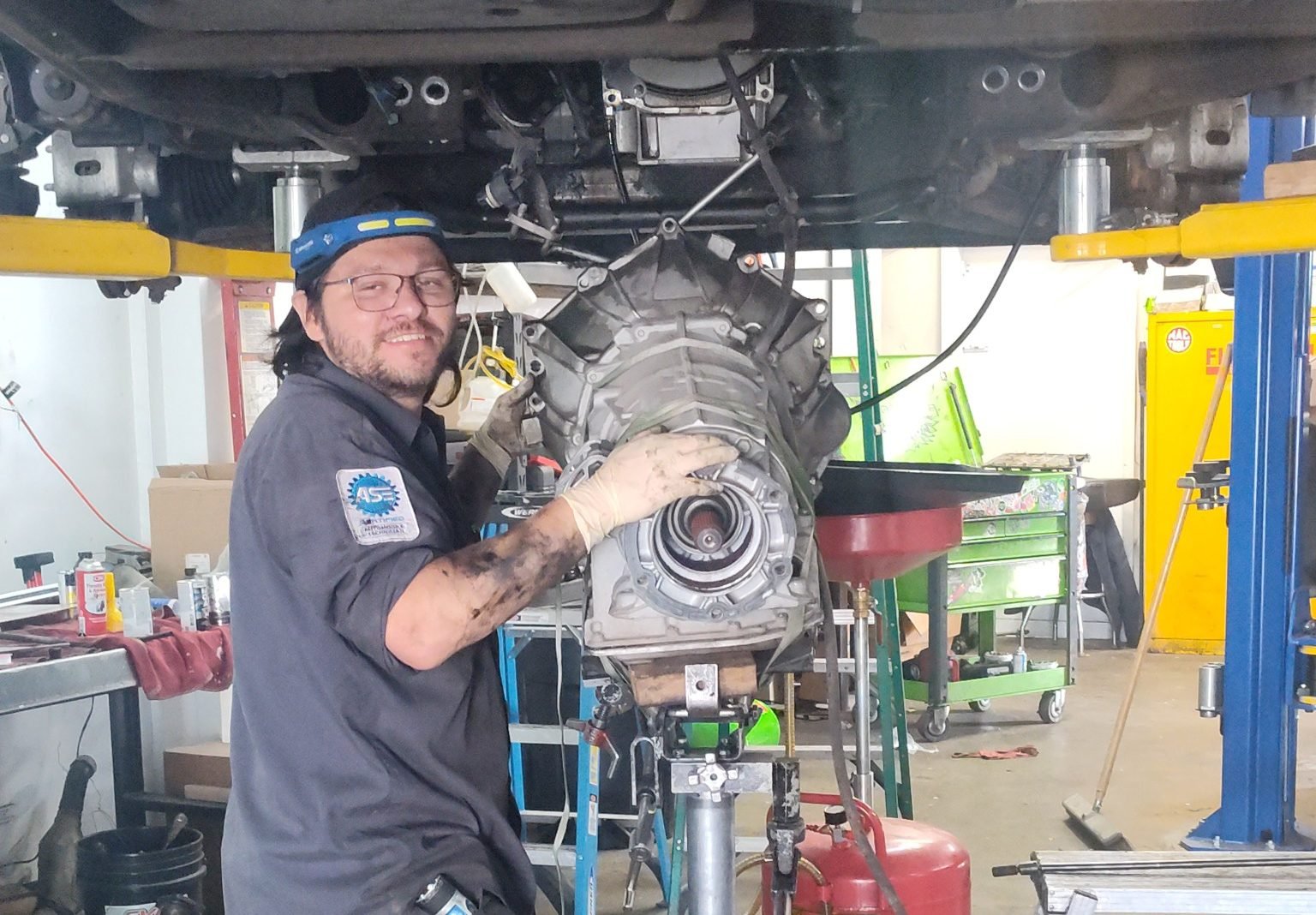
Manny Carrasco, our ASE certified lead technician, finds the real cause of a car heater blowing cold air. You get a digital vehicle inspection with photos and a clear estimate before any repair begins. Repairs carry our 3-year/33,000-mile warranty. You can also contact us with your symptoms, and our auto repair tips share more advice from the shop.